Speaker Profile
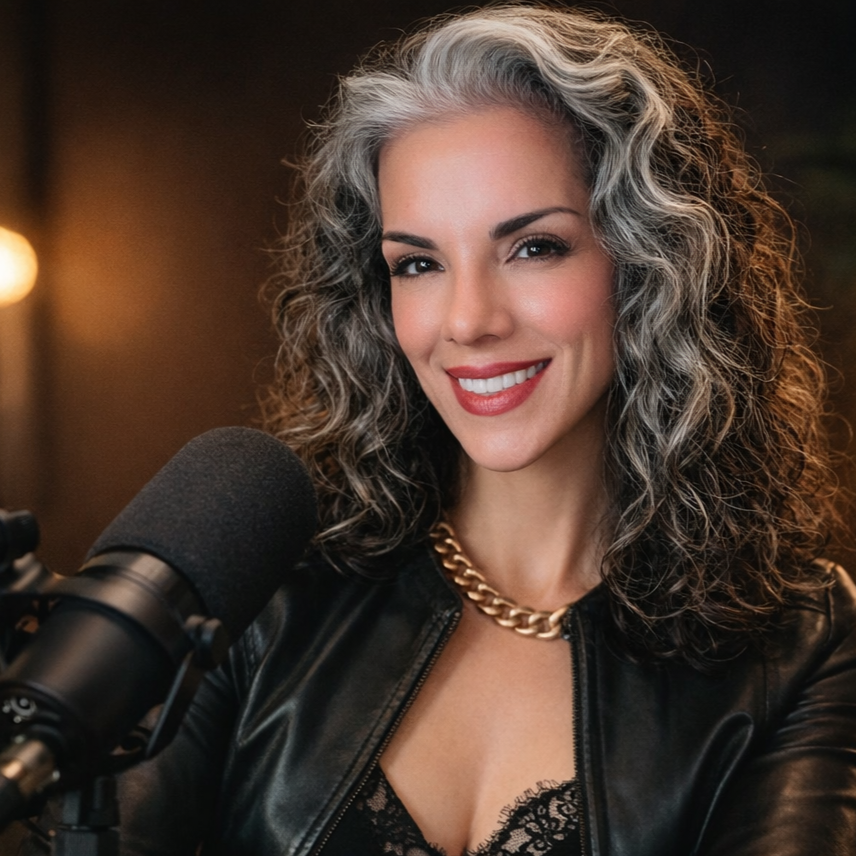
Hire Minal as a Speaker
I'm Minal Kamlani — thought leader, coach trainer, and founder of the only ICF Neurodiversity Special Interest Group in history. I speak on what others avoid — ADHD, trauma, recovery, and what inclusive leadership actually looks like in practice. Challenging. Honest. Often funny. If your audience is ready for the truth — let's talk.
ICF PCC, TICC, CPRC
1,000+ hours with 200+ clients
35+ coach training events
20+ years corporate experience
Speaker FAQs
-
Keynotes • Moderating • Roundtables • Trainings • Interviews • Guest Lectures • Program Design
Paid and select pro bono engagements
Available in NYC and/or online
-
See the event list here.
-
ICF-Certified (PCC candidate)
Trauma-Informed and Recovery Coach (TICC, CPRC)
Founder of the Neurodiversity Coaching SIG at ICF NYC
1,000+ hours coaching
Peer Reviews
-
![Discreet Mental Wellness & Addiction Recovery Coach for High Profile Clients]()
Shelly-Anne Mckay
Master Recovery Coach | Trainer
Minal’s attention to detail, desire to go deep, and to be impactful are part of what make her such a gem for clients. Her big heart and ability to connect with genuine empathy truly go a long way. And her passion for supporting neurodivergent people is truly inspirational.
-
![Maria Caso]()
Maria Caso
Life Coach | Hazelden Facilitator
I’ve attended several of her professional development events through ICF and joined her Neurodiversity SIG for coaches. As a coach and meeting leader myself, I have high standards and give feedback often. Minal incorporates feedback to improve the content and logistics. Overall, I learned much more about my ADHD through her events. -
![Maureen Hilton]()
Maureen Hilton-Sokoloff
Career Coach | Neurodiversity Trainer
Minal’s positive energy and insightful perspectives were extremely supportive as we collaborated to create ICF NYC’s Neurodiversity 101 & 201 coaching training. Her approachable nature and sincere desire to contribute positively to the world will benefit any training, marketing campaign, or coaching partnership. -
![Charles Blechman]()
Charles Blechman
Life Coach | Ex Tech Exec
I met Minal through the monthly ICF NYC neurodiversity discussions. I’ve taken away practical tools and frameworks I use regularly, from working with uneven strengths and protecting energy, to simple language that helps clients across different contexts. Even more so, it's made a meaningful difference in how I relate to the people in my personal life. -
![Amanda Espinosa]()
Amanda Espinosa
Learning & Performance Designer
Working with Minal is a true collaborative experience. Her exceptional communication skills make it easy to stay on the same page, and her ability to think outside the box brings a fresh perspective to every project. What truly sets her apart, however, is her unwavering passion and creativity. She brings an infectious energy to every collaboration, and her innovative ideas inspire me to think differently.



Current Keynote Talks & Trainings
Coaching Practice & Innovation
AI, Coaching, and Human Connection: Innovation Without Erasure: AI is reshaping how we coach, lead, and connect — but without intention, it can amplify bias and erase nuance. This talk explores how ethical, neuroinclusive AI can supplement coaching while preserving empathy and equity. Learn practical ways to use adaptive technology to expand access and reduce systemic bias — without losing the human relationship at the core of transformation.
Coaching at the Intersections: Identity, Power, and Permission: Coaching doesn’t happen in a vacuum — it happens inside systems of power and identity. This provocative, emotionally intelligent conversation explores how privilege, neurotype, and culture shape the coaching dynamic. Attendees gain tools for cultural humility and inclusive practice that honor difference without fragility.
Neurodiversity, Trauma & Recovery
The Intersection of ADHD, Trauma, and Addiction: Rethinking Resilience: ADHD, trauma, and addiction often overlap — not as pathology but as patterns of adaptation. This keynote reframes the “high-functioning” myth through a trauma-informed, neurodiversity-affirming lens. Audiences learn how shame, overachievement, and burnout become survival strategies, and how recovery, self-trust, and nervous-system regulation create sustainable resilience for neurodivergent professionals and leaders.
Recovery Beyond the Binary: Harm Reduction, Humor, and Self-Trust: Recovery isn’t linear — and it’s not all or nothing. This talk brings a trauma-informed, harm-reduction approach to healing from perfectionism, overwork, and substance use. Audiences explore how mindfulness, compassion, and self-trust drive sustainable recovery — replacing judgment with curiosity and control with connection.
Leadership & Neurodiversity
Beyond the Buzzwords: What Neurodiversity-Informed Leadership Really Means: “Neurodiversity” has become a corporate tagline — but inclusion can’t stop at awareness slides. This session unpacks what true neurodiversity-informed leadership looks like: trauma-aware management, bias-conscious decision-making, and psychologically safe communication. Audiences leave with frameworks to design systems and teams that honor diverse nervous systems, thinking styles, and communication needs — creating workplaces where every brain can thrive.
Reclaiming Control: Trauma-Informed Leadership in Real Life: High achievers often lead from a place of hypervigilance rather than confidence. This session teaches trauma-informed leadership and emotional-regulation strategies for executives and teams. Participants learn how to cultivate psychological safety, reduce burnout, and lead with clarity and compassion instead of control.
Embodiment Is Intelligence: Healing the Nervous System for Leadership and Recovery: For trauma survivors and neurodivergent professionals, the body isn’t the obstacle — it’s the instrument. This keynote reframes leadership and recovery beyond mindset and into body-set — using the nervous system as data, intuition, and design. Blending neuroscience, coaching psychology, and trauma recovery, you’ll learn how emotional regulation, self-styling, and sensory awareness build authentic presence, grounded decision-making, and psychological safety. Audiences leave with practical tools for turning embodiment into intelligence — and regulation into power.